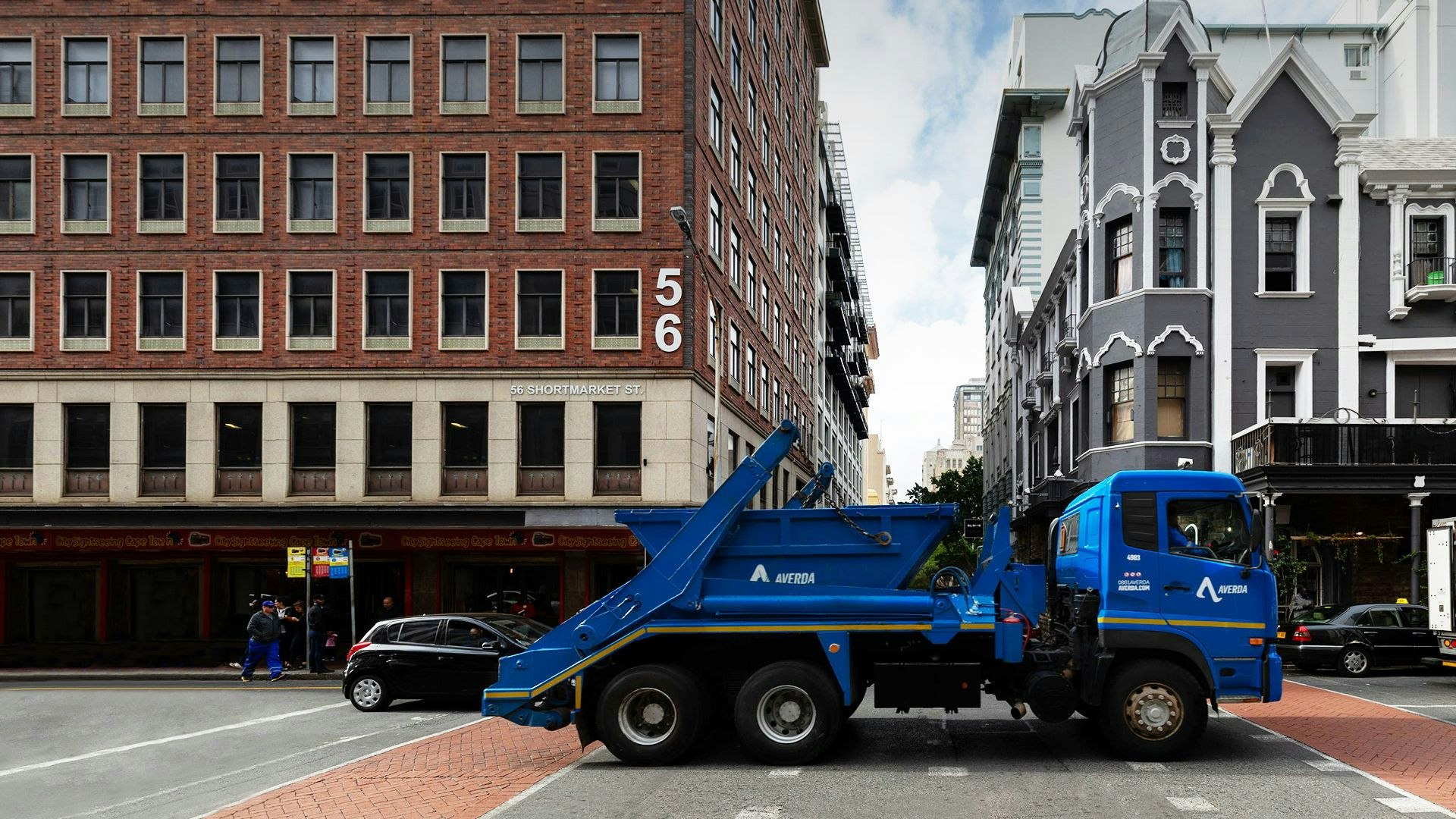
WHAT WE DO

The waste cycle in four clear stages

Clean

Our street cleaning teams and specialized vehicles ensure urban and rural areas stay pristine.

x LEARN MORE

Collect

Our teams handle everything from regular household waste to hazardous industrial material.

x LEARN MORE

Recover

Through recycling, composting and thermal energy generation, we make the most of materials that were once simply thrown away.

x LEARN MORE

Dispose

High-tech monitoring systems ensure our landfill sites operate optimally, maintaining hazard-free conditions that protect the environment.

x LEARN MORE

AVERDA LEARN

A better future for all of us

Rethink

We can all adopt new habits that give us dozens of chances each day to make a difference.

x LEARN MORE

Reduce

Waste doesn't just mean what we throw away. From buying less to reducing our energy or water usage, we can eliminate waste rather than create it.

x LEARN MORE

Reuse

Plastic bags and bottles can last for years. Why throw them away? Even paper and old envelopes can be reused at least once.

x LEARN MORE

Recycle

Help us by separating your waste at source. Plastic, paper, glass and metals all have value when recycled properly.

x LEARN MORE

NEWS

In the past 12 months, averda truly announced its arrival on the regional stage

DID YOU KNOW?

More aluminium goes into drinks cans than any other product. 350,000 aluminium cans are produced every minute.

An aluminium can that is thrown away will still be around 500 years from now.

But recycling one aluminium can saves enough energy to run a TV for three hours. And the number of times aluminium cans be recycled is unlimited.

Recycling one ton of aluminium is equivalent to not releasing 13 tons of carbon dioxide (a greenhouse gas) into the air. So recycling certainly makes sense.

At one time, aluminium was more valuable than gold. Maybe it will be again.

A banana skin can take up to two years to decompose if not disposed of properly. An average person throws away 74 kg of organic waste each year, which is the same as 1077 banana skins.

Making compost from kitchen and garden waste can reduce 40% of all refuse going to landfill.

Recycling plastic saves twice as much energy as burning it in an incinerator.

Industrialized nations, with 20% of the world's population, consume 87% of the world's printing and writing paper.

The average annual paper consumption worldwide - a whopping 48 kg per person - makes paper manufacturing the third largest user of fossil fuels worldwide.

Packaging as the single largest category of paper use at 41% of all paper used, way ahead of books and magazines.

Packaging and junk mail typically make up 25-35% of dustbin waste by weight.

For every one ton of paper produced, the manufacturing process requires 98 tons of other resources.

Yet the amount of wood and paper we throw away each year is enough to heat 50,000,000 homes for 20 years.

We produce and use 20 times more plastic today than we did in the 1950s.

Electronics, health care, construction, transportation, automotive, and food packaging industries account for most plastic products.

The plastics industry is second only to the chemical industry in generating toxic releases that damage the ozone layer. A major problem is that plastics are durable and resist the natural processes of degradation.

Globally, an estimated one million birds and 100,000 marine mammals and sea turtles die every year from entanglement in, or ingestion, of plastics.

Some 220 tons of earth are excavated to produce just a ton of copper.

Recycling copper takes seven times less energy than processing ore, yet only 13% of copper consumed worldwide comes from recycled sources.

Making steel from recycled materials saves 75% of the energy needed to make steel from raw materials.

Recycling one ton of steel reduces air pollution by 86% and water pollution by 76%. It also saves 74% of the energy and 40% of the water that would have otherwise been used. Recycling reduces the need for virgin materials by 90 percent.

Glass is 100% recyclable and can be endlessly recycled with no loss in quality.

The energy saved from recycling a single glass bottle will operate a 100-watt light bulb for four hours.

In fact, producing glass from virgin materials requires 30% more energy than from used glass when it’s crushed.

It takes approximately one million years for a glass bottle to break down at the landfill.

Making glass from recycled materials cuts related air pollution by 20% and water pollution by 50% compared with making a new bottle from raw materials.

If all our newspaper was recycled, we could save about 250,000,000 trees each year.

Manufacturing one ton of office and computer paper with recycled paper stock can save between 3,000 and 4,000 kilowatt-hours more than the same ton of paper made with virgin wood products.

Producing recycled paper causes 74% less air pollution and 35% less water pollution.

Recycling one ton of newspaper is equivalent to not releasing 2.5 tons of carbon dioxide into the air.

x

WALLPAPERS

Brighten your desktop.

x